

 Image 1 of 1
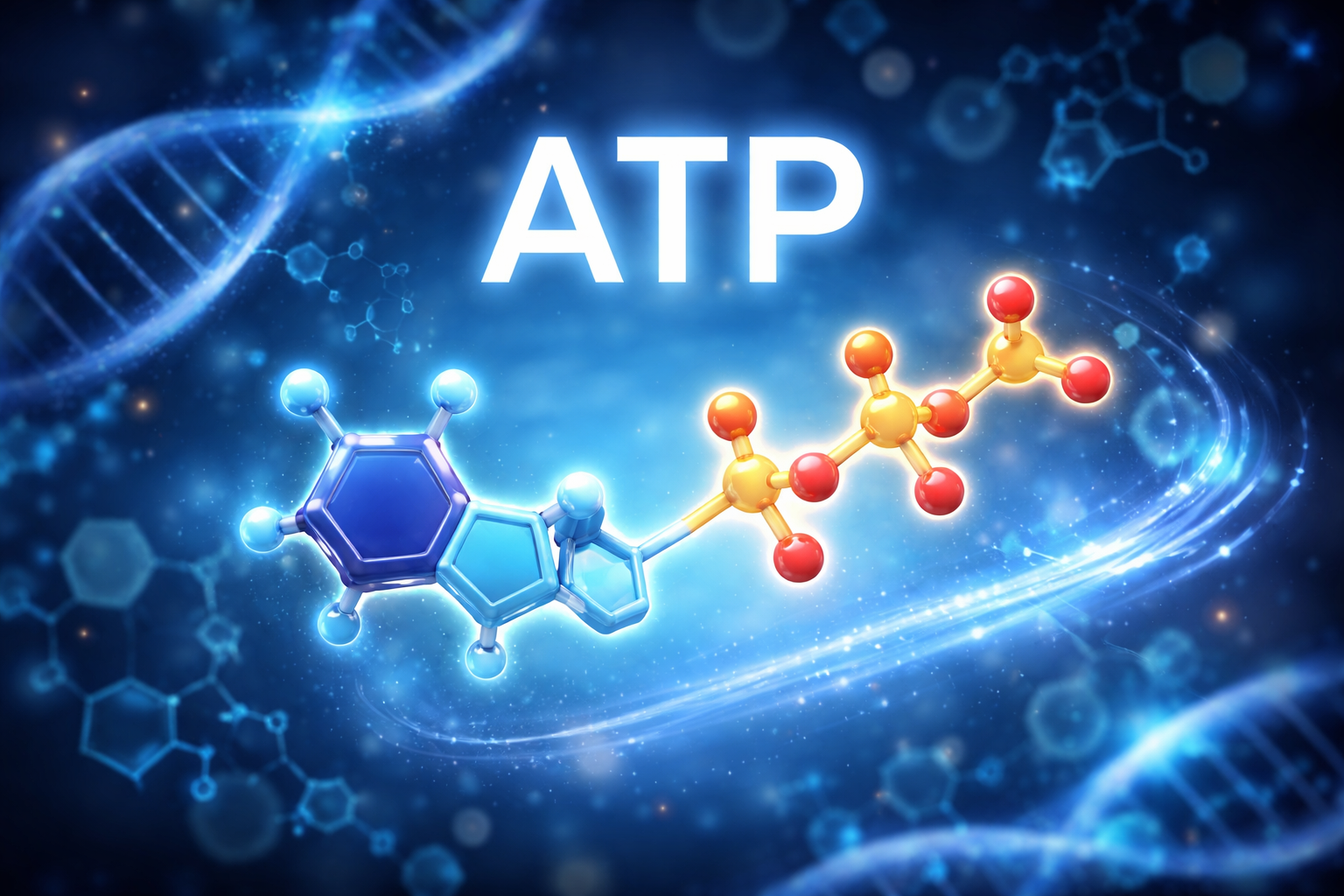
ATP (Adenosine Triphosphate) is a naturally occurring molecule found in all living cells and is widely recognized as the primary energy carrier of biological systems. In cosmetic, biomedical, and biotechnology applications, ATP is valued for its role in supporting cellular energy metabolism, skin vitality, and biological activity. Its ability to participate in cellular signaling and energy transfer makes it a unique functional ingredient in advanced formulations focused on skin health and regeneration.
Cellular Energy Support:
ATP plays a critical role in cellular metabolism by acting as the primary energy source for biochemical reactions within the body. In topical and biomedical applications, ATP is explored for its potential to support cellular activity and metabolic processes.
Skin Vitality and Regeneration:
ATP is associated with processes that support cell renewal and repair. In cosmetic formulations, it may be included in products designed to promote skin vitality, support the appearance of healthy skin, and assist in maintaining normal cellular function.
Anti-Aging Applications:
Because cellular energy production naturally declines with age, ATP is sometimes used in advanced skincare formulations aimed at supporting skin renewal and maintaining youthful-looking skin.
Cell Signaling and Biological Activity:
ATP functions as a signaling molecule in biological systems, participating in communication between cells and influencing physiological responses. This property has led to interest in ATP within research-driven cosmetic and biomedical products.
Support for Tissue Function:
In biomedical and research contexts, ATP is studied for its involvement in processes related to tissue repair, circulation, and cellular signaling pathways.
Water-Soluble and Formulation-Friendly:
ATP is water-soluble, making it compatible with a variety of aqueous formulations such as serums, gels, and cosmetic emulsions.
Biotechnology and Research Applications:
Beyond personal care, ATP is widely used in biotechnology laboratories as a key molecule for studying cellular energy metabolism and biological processes.
Naturally Occurring Biomolecule:
Because ATP is a molecule naturally present in all living organisms, it is often considered compatible with biological systems when used in appropriate concentrations.
Low-Level Functional Activity:
Even at relatively low concentrations, ATP participates in biological pathways associated with energy transfer and cellular function.
Broad Scientific Interest:
ATP continues to be widely studied in fields including dermatology, biotechnology, and biomedical research due to its central role in cellular energy and signaling.
ATP is a biologically significant molecule involved in cellular energy transfer and metabolic activity. Its unique role in biological systems has made it a subject of growing interest in advanced cosmetic, biotechnology, and research applications.
ATP (Adenosine Triphosphate) is a naturally occurring molecule found in all living cells and is widely recognized as the primary energy carrier of biological systems. In cosmetic, biomedical, and biotechnology applications, ATP is valued for its role in supporting cellular energy metabolism, skin vitality, and biological activity. Its ability to participate in cellular signaling and energy transfer makes it a unique functional ingredient in advanced formulations focused on skin health and regeneration.
Cellular Energy Support:
ATP plays a critical role in cellular metabolism by acting as the primary energy source for biochemical reactions within the body. In topical and biomedical applications, ATP is explored for its potential to support cellular activity and metabolic processes.
Skin Vitality and Regeneration:
ATP is associated with processes that support cell renewal and repair. In cosmetic formulations, it may be included in products designed to promote skin vitality, support the appearance of healthy skin, and assist in maintaining normal cellular function.
Anti-Aging Applications:
Because cellular energy production naturally declines with age, ATP is sometimes used in advanced skincare formulations aimed at supporting skin renewal and maintaining youthful-looking skin.
Cell Signaling and Biological Activity:
ATP functions as a signaling molecule in biological systems, participating in communication between cells and influencing physiological responses. This property has led to interest in ATP within research-driven cosmetic and biomedical products.
Support for Tissue Function:
In biomedical and research contexts, ATP is studied for its involvement in processes related to tissue repair, circulation, and cellular signaling pathways.
Water-Soluble and Formulation-Friendly:
ATP is water-soluble, making it compatible with a variety of aqueous formulations such as serums, gels, and cosmetic emulsions.
Biotechnology and Research Applications:
Beyond personal care, ATP is widely used in biotechnology laboratories as a key molecule for studying cellular energy metabolism and biological processes.
Naturally Occurring Biomolecule:
Because ATP is a molecule naturally present in all living organisms, it is often considered compatible with biological systems when used in appropriate concentrations.
Low-Level Functional Activity:
Even at relatively low concentrations, ATP participates in biological pathways associated with energy transfer and cellular function.
Broad Scientific Interest:
ATP continues to be widely studied in fields including dermatology, biotechnology, and biomedical research due to its central role in cellular energy and signaling.
ATP is a biologically significant molecule involved in cellular energy transfer and metabolic activity. Its unique role in biological systems has made it a subject of growing interest in advanced cosmetic, biotechnology, and research applications.